Sustainability in Action
DRIVING CHANGE THROUGH OUR NET ZERO JOURNEY
We’re on a mission to reach net zero by 2040. It’s all about creating real impact for our people, clients, and the planet. Every step we take is designed to make sustainability measurable and something our teams can see in action.
WE’RE PROUD TO BE THE FIRST FOOD SERVICE PROVIDER TO HAVE ALL OUR CLIMATE AIMS APPROVED BY THE SCIENCE-BASED TARGETS INITIATIVE.
OUR NET ZERO TARGETS
At Sodexo, we don’t just set goals, we track our progress and hold ourselves accountable. Starting from a clear baseline, we’ve set ambitious targets for the future. By 2030, we plan to reduce our emissions by 55% and cut FLAG emissions by 40%. And by 2040, our ambition is to reach net zero across our entire value chain, creating a more sustainable future we can all be part of.
HOW WE MAKE AN IMPACT
-

Plant-forward meals
Promoting low-carbon, healthy dishes across every site.
-

Food waste reduction
Committing to halving waste.
-

Supply chain support
An award winning supplier engagement strategy working to Net Zero 2040
Helping our partners reduce their environmental impact.
At Sodexo, we embed sustainability into everything we do, from every product we buy to every site we operate. By making responsible choices every day, you help our partners decarbonise their operations and turn ambitious goals into real, tangible results. It’s a chance to see the difference your work makes, every single day.
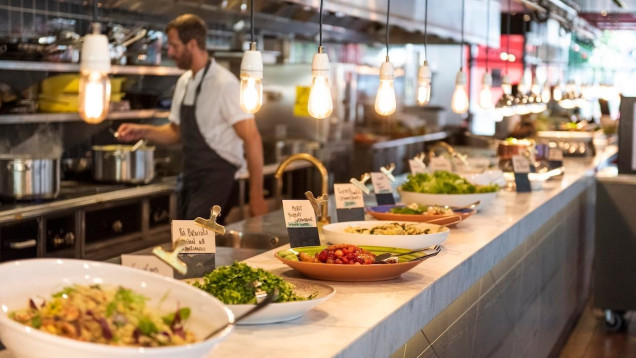
Seeing Our Impact in Action
Each year at Sodexo, we track and share our progress toward net zero. We’ve already cut supply chain emissions by 31.8%, and we continuously update our roadmap to follow the latest science. That means your work contributes to goals that are measurable, meaningful, and something everyone at Sodexo can be part of.
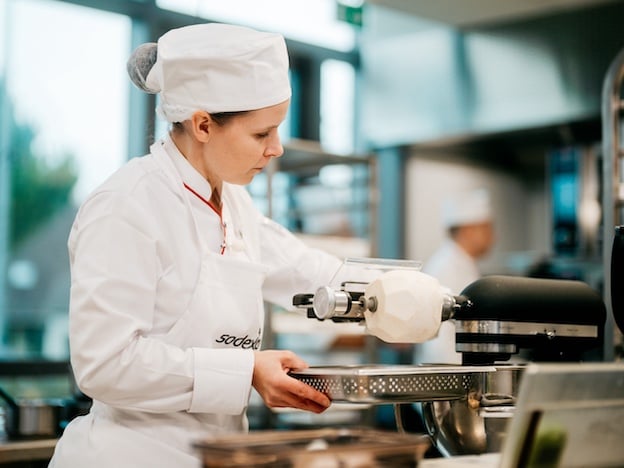
People
Our 426,000 colleagues are the heart of our social impact, because when our people thrive, so does the world around us.
Training and Development
We’re committed to helping you grow with 15 hours of training per year for every employee worldwide by 2028, up from 11.8 hours in 2025.
Well-being
Your health, safety, and growth are top priorities, empowering you to make a positive difference in the lives of millions of people we serve every day.
Clients
Client partnerships drive sustainable outcomes through responsible supply chains and resource management.
Sustainable Meals
By 2030, 70% of main dish recipes will be “good for the planet,” defined with WWF as meals generating 0.9kg of CO₂e or less.
Food Waste
Aiming for a 50% reduction in food waste by 2028, primarily through the global rollout of the WasteWatch programme.
Planet & Society
Efforts are intensifying to protect the environment and support communities worldwide.
Climate Action
Steadfast progress toward achieving net zero carbon by 2040.
Fighting Hunger
Through the Stop Hunger initiative, actions are scaling to combat food insecurity and support vulnerable communities around the world.